

On the Issues
Affordable

Increase Accountability and Transparency
Ensures city resources are efficiently used, identifies bottlenecks, and creates pressure to meet housing production goals.
Policy Changes
-
Description text Commission a one-time, fully independent third-party audit of all city departments, conducted outside of existing city government structures and without duplicating the role of the City Auditor. The audit will have full access to review operations, spending, and performance across all departments, publish its findings publicly, and issue actionable, binding recommendations to improve efficiency, reduce waste, and ensure taxpayer dollars are used as intended and deliver real results for residents.goes here
-
Require departments to publish annual priority plans tied to measurable outcomes, with quarterly performancereporting. Budget increases must demonstrate prior results, efficiency improvements, and a clear return on public investment.

Make Permitting Faster and Predictable
Predictable permitting makes it easier to plan and finance projects, helps reduce financing costs, speeds up housing delivery, improves project feasibility for small and mid-sized builders, and creates clearer accountability within city departments.
Policy Changes
-
Establish a maximum 120-day approval timeline for residential construction permits. If the city fails to meet the deadline, permit fees are automatically reduced or refunded, ensuring accountability when government does not meet its own standards.
-
Assign a single project manager for each residential development application to coordinate all departmental reviews (planning, engineering, utilities, fire, etc.).
-
Allow SDCs to be deferred until occupancy or sale rather than paid at permit issuance.
Expand Housing Types and Zoning Flexibility
Why it matters: Supports diverse housing types where demand is highest, prevents regulations from inflating housing costs, and encourages development that maximizes existing infrastructure.
Policy Changes
-
Allow higher residential densities near public transit corridors including streamlined approvals and reduced parking requirements.
-
Explicitly allow factory-built middle housing types—such as cottage clusters—while encouraging infill development and small multifamily projects. Support scalable, high-efficiency formats like LIT Homes B-Series factory-produced affordable housing (www.lit-homes.com), including side-by-side and back-to-back configurations, to increase density and expandattainable housing options.
Use Existing Resources Better by Ensuring Publicly Funded Housing Is Occupied Quickly and Successfully
Nearly 1,900 subsidized apartments in Portland are sitting vacant due to bureaucratic bottlenecks. Before building more publicly funded housing, the city must ensure existing units are fully utilized, honoring public investment already made. At the same time, pairing faster placement with stronger neighborhood support, better screening, and upfront behavioral health interventions will improve outcomes for residents and surrounding communities—helping ensure housing placements are both immediate and sustainable.
Policy Changes
-
Require housing authorities to fill vacant units within 60 days (unless long-lead repairs are required to make the unit rentable).
-
Implement public vacancy reporting for all subsidized housing providers.
-
Allow qualified nonprofits and housing navigators to directly place tenants into vacant units.
-
Expand and better resource neighborhood response teams to address safety, behavioral health, and livability concerns around publicly funded housing.
-
Prioritize mental health and substance use stabilization before placement, strengthen screening, and set clear tenant expectations—paired with consistent enforcement to ensure safe, stable, and respectful shared living environments.

Incentivize Incremental and Diverse Housing Production While Reducing Cost Barriers
Encourages both large and small developers to deliver new housing efficiently, maximizes land use, and integrates innovative building types that meet community needs. At the same time, it addresses the reality that Portland’s challenge is not just supply but affordability—despite over 25,000 vacant market-rate units. Reducing regulatory-driven cost inflation will help projects pencil again, particularly for small builders, and better align housing production with economic demand and workforce incomes.
Policy Changes
-
Provide financial or regulatory incentives for developers delivering under 50-unit projects, including fee reductions and expedited review.
-
Require all new housing regulations to include a quantified cost impact statement detailing per-unit cost increases and expected effects on total housing supply. Establish clear thresholds that trigger automatic sunset or revision of regulations that materially increase housing costs, and create a Housing Cost Ombudsman to identify, review, and remove existing regulatory barriers that drive up the cost of housing, so that rules intended to help do not unintentionally put housing further out of reach.
-
Allow SDCs to be deferred until occupancy or sale rather than paid at permit issuance.
Safe

Expand Behavioral Health Crisis Response
Many emergency calls involve individuals suffering from severe mental health challenges. Pairing trained officers with clinicians improves crisis response, reduces the likelihood of dangerous encounters, and connects people in crisis with appropriate care and services, while protecting both the individual and broader community.
Policy Positions
-
Create four additional Behavioral Health Units within the Portland Police Bureau (PPB), pairing Enhanced Crisis Intervention Team (ECIT) officers with licensed mental health clinicians.
-
Ensure Behavioral Health Units work proactively with Portland Street Response, healthcare providers, and community services, with clear roles and expanded interventions that reduce the burden on police and fire.
-
Strengthen on-site mental health, addiction treatment, and case management services within shelters to stabilize individuals and reduce repeat crises.

Strengthen Investigations for Serious and Violent Crimes
Serious crimes such as human trafficking, burglary, and violent assaults, require thorough investigations and dedicated resources. Expanding investigative capacity helps ensure victims receive the attention and support they deserve and those who cause harm are held accountable.
Policy Positions

-
Increase staffing in Human Trafficking, Burglary, and Major Crimes from 21 to 39, ensuring investigators have the resources necessary to pursue complex cases and support victims.
Restore Traffic Safety and Enforce the Rules of the Road
Traffic fatalities and serious injuries have risen in recent years. Adequate traffic enforcement staffing reduces dangerous driving behaviors and improves safety for drivers, cyclists, and pedestrians—reinforcing that shared public spaces require shared responsibility.
Policy Positions
-
Increase staffing levels so the Traffic Division can effectively enforce traffic laws and investigate serious crashes.
-
Expand enforcement efforts targeting illegal street racing, reckless driving, and high-speed violations. Support Vision Zero Goals: Align enforcement efforts with Portland’s Vision Zero initiative to reduce traffic injuries and fatalities.
Expand Neighborhood Safety and Livability Teams
Neighborhood Response Teams provide focused attention on community concerns and livability issues that affect daily life. Expanding these teams helps address problems early and strengthens trust between residents and public safety officials - restoring confidence that rules are applied consistently across neighborhoods.
Policy Positions
-
Expand PPB’s Neighborhood Response Teams to target areas with persistent safety challenges, including street camping, drug activity, vacant “zombie” houses, chronic burglaries, and graffiti, improving community livability and public safety.
-
Increase collaboration with neighborhood associations, businesses, and community organizations.

Reduce Risk at the Critical Energy Infrastructure Hub
The Critical Energy Infrastructure Hub stores large volumes of fuel along the seismically vulnerable Willamette River. Reducing barriers to decommissioning, enabling phased safety upgrades, and tying financial accountability to risk reduction ensures practical, ongoing improvements while minimizing long-term environmental and public safety risks, protecting current and future generations.
Policy Positions
-
Eliminate regulatory and financial barriers that discourage companies from decommissioning unused petroleum storage tanks.
-
Allow and incentivize partial or phased safety improvements for tanks that remain in operation, making steady progress toward risk reduction.
-
Collaborate with state agencies, operators, and safety experts to prioritize hazard mitigation, including the use of risk bonds or other financial instruments to ensure accountability and ongoing safety investments.
Thriving

Safe, Clean, and Welcoming Business Districts
Customers need to feel safe and comfortable to shop, dine, and spend time in Portland’s business districts. Clean, well-maintained streets strengthen neighborhood pride, attract visitors, and help local businesses thrive, while signaling that public spaces are cared for and respected
Policy Positions
-
Prioritize graffiti removal, street cleaning, and maintenance in neighborhood business districts and major commercial corridors.
-
Expand lighting, visibility improvements, and safety presence in high-traffic business areas.
-
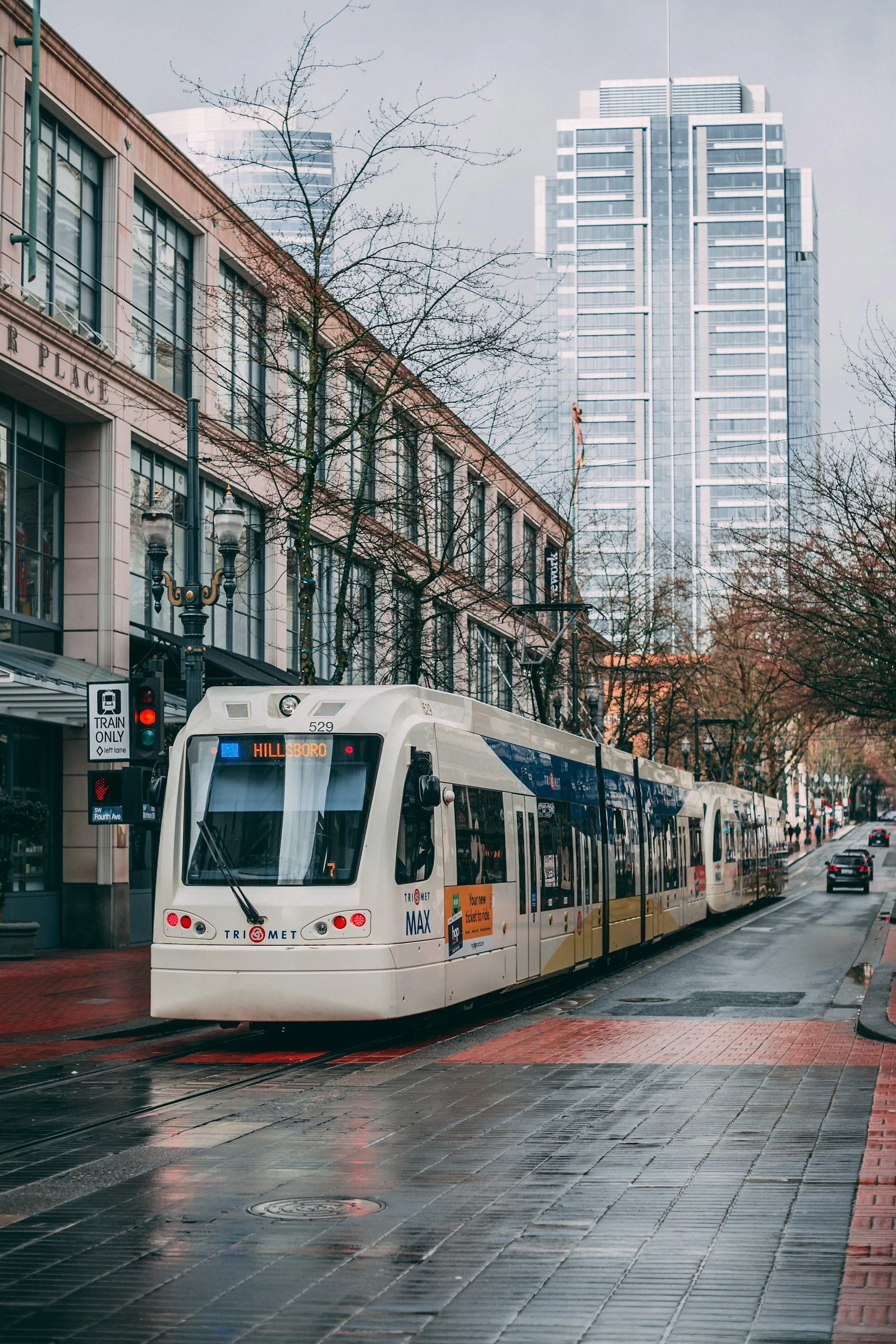
Implement a phased fareless transit system across TriMet to increase ridership, reduce congestion, and improve equitable access to jobs, education, and essential services.
-
Strengthen and expand the storefront improvement program to help small businesses activate vacant spaces, improve façades, and invest in welcoming, high-quality street presence.
-
Strengthen and expand the storefront improvement program to help small businesses activate vacant spaces, improve façades, and invest in welcoming, high-quality street presence.
A City Hall That Works for Businesses
Entrepreneurs should spend their time building businesses—not navigating bureaucracy. Predictable timelines and clear accountability make it easier to start and grow businesses in Portland, ensuring everyone plays by the same rules.
Policy Positions
-
Require city departments to meet predictable timelines for business permits, inspections, and approvals.
-
Strengthen Prosper Portland’s role as the single, accountable point of contact to guide businesses through city processes, coordinate across departments, and accelerate problem-solving.
-
Publicly report response times, approval rates, and permitting timelines for departments that work with businesses.

Lower Taxes and Fees for Small Businesses
High taxes and fees make it harder for small businesses to survive and grow in Portland. Lowering the burden encourages entrepreneurship, keeps local businesses in the city, and strengthens neighborhood economies, so that hard work is rewarded rather than discouraged.
Policy Positions
-
Increase the small business income exemption threshold from $100k to $150k, make it permanent, get Multnomah County BIT to align, and index it to inflation over time, ensuring relief keeps pace with rising costs and protects the city’s smallest businesses.
-
Provide a 3–5 year tax holiday for new small businesses opening in Portland to bolster business momentum and increase the future tax base.
-
Expand Prosper Portland–led grants and deploy Tax Increment Financing (TIF) to support tenant improvements,storefront activation, and business expansion in key business districts.

Make Portland Easy to Do Business In—Especially for Food, Arts, and Creative Entrepreneurs
Portland’s food scene, arts community, and cultural events are central to the city’s identity. Supporting these industries attracts visitors, creates jobs, and keeps Portland vibrant and unique.
Policy Positions
-
Expand opportunities for food cart pods and clusters in commercial corridors and underutilized lots, activating neighborhoods and lowering barriers for small food entrepreneurs.
-
Streamline approvals for outdoor dining, shared kitchens, and temporary food operations—making it faster and more predictable to open and operate.
-
Establish designated districts where galleries, music venues, and creative businesses receive coordinated city support, flexible zoning, and streamlined permitting.
-
Simplify permits for street fairs, neighborhood markets, and cultural festivals to encourage more frequent, community-driven events.
-
Bolster the work of the Portland Department of Community & Economic Development and Prosper Portland to deliver a faster, clearer, and more business-friendly experience—ensuring entrepreneurs have a simple, well-supported path to start and grow.

Help Entrepreneurs Access the Capital to Start and Grow
Access to startup capital is one of the biggest barriers to launching a business. Expanding financing options helps more entrepreneurs open businesses, create jobs, and strengthen Portland’s local economy thus expanding opportunity to those who are ready to invest in their communities.
Policy Positions
-
Expand and capitalize existing small business loan programs led by Prosper Portland to support more startups and growing businesses, with a focus on speed, flexibility, and accessibility.
-
Deepen partnerships with community lenders and local banks to increase access to microloans, particularly for entrepreneurs who face barriers to traditional financing.
-
Increase funding for small startup grants for first-time entrepreneurs, prioritizing neighborhood-based businesses and underserved communities.
-
Grow targeted lending and grant programs that expand access to capital for minority-owned and emerging small businesses, building on proven programs and partnerships.
Inspiring

Make Portland a Global Leader in Design & Sustainable Architecture
Portland can define the next generation of cities—sustainable, human-scaled, and unmistakably beautiful—where design and performance go hand in hand. The transformation of Portland International Airport shows what’s possible: ambitious, place-based, and world-class. The opportunity now is to make that level of quality the standard, not the exception.
Policy Positions
-
Position Portland as the easiest place in the country to design and build beautiful, durable, climate-forward buildings through a clear, predictable, and permissive code that enables innovation while upholding high standards for quality, durability, and environmental performance. Champion mass timber and high-performance design with incentives, expedited approvals, and outcome-based standards.
Reclaim the Waterfront as Portland’s Signature Civic Experience
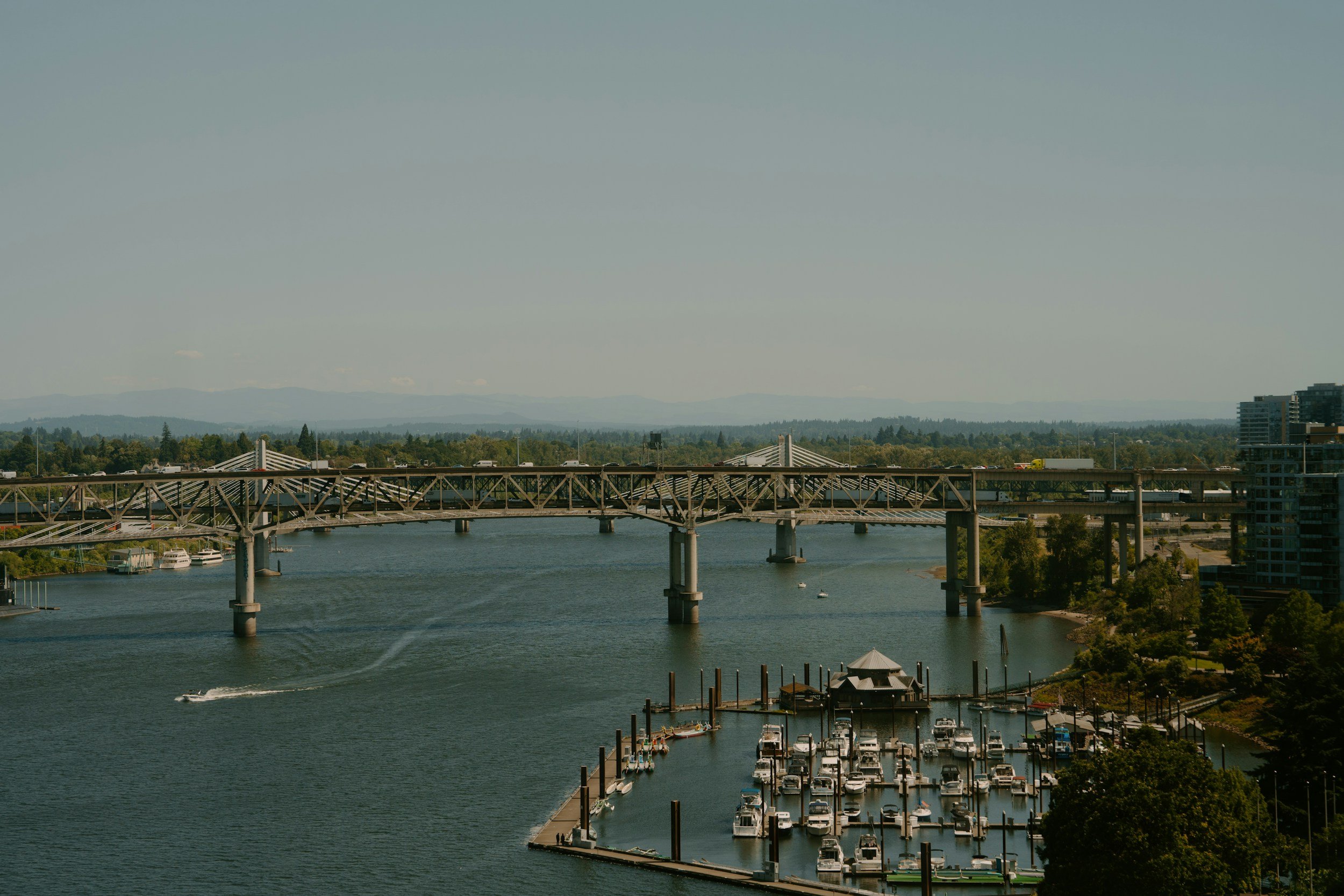
The Willamette River is Portlands greatest natural asset, yet it remains underutilized as the heart of the city. A connected, activated waterfront can become Portlands front door—a place where people gather, celebrate, recreate, and connect. By linking the river more effectively with downtown, we can increase foot traffic, support local businesses, enhance public safety through activity, and create a vibrant civic destination that reflects the best of Portland.
Policy Positions
-
Transform the Willamette riverfront into a vibrant, year-round destination with expanded public access, active gathering spaces, cultural programming, and recreational amenities. Strengthen connections between the waterfront and downtown through inviting pedestrian corridors—such as Salmon Street—to create a seamless experience that draws residents and visitors throughout the city.

Deliver Bold Projects that Shape the City’s Identity
Visible, ambitious projects signal confidence, attract investment, and shape how Portland is experienced for generations demonstrating what is possible when the city acts with clarity and purpose.
Policy Positions
-
Advance transformative districts like the OMSI District, Broadway Corridor, and Albina Vision to create complete neighborhoods and lasting economic momentum.
Make Portland the Most Welcoming, Effortless City to Visit
Great cities are easy to use. By reducing friction, connecting experiences, and intentionally directing visitors into Portland’s businesses and neighborhoods, the city becomes more accessible, more compelling, and more economically generative—while reinforcing its identity and supporting local businesses.
Policy Positions
-
Hotel guests receive fareless transit and can purchase a single, discounted pass to access key destinations like the Oregon Historical Society Museum, Portland Art Museum, Portland Japanese Garden, and the Oregon Zoo. The pass also includes built-in credits and offers that drive visitors directly into local restaurants, cafés, breweries, shops, and neighborhood districts—turning cultural access into local spending.
-
From Portland International Airport to downtown and neighborhoods—with clear wayfinding, intuitive transit, and a unified digital layer integrated with the Portland Pass. The system should actively route visitors beyond major attractions into local districts, increasing dwell time and economic impact citywide.
-
Through a public-private partnershi, the “City Beer Hall” An iconic gathering space that brings together Portland’s breweries, food vendors, and makers. Designed as both a civic landmark and economic engine, it showcases rotating local businesses and serves as a gateway to the broader food and beverage ecosystem.
Think in Generations, Not Election Cycles
Great cities are built with long-term vision—ensuring Portland thrives for the next century, not just the next decade and that today’s decisions do not become tomorrow’s burdens.
Policy Positions
-
Establish bold 100-year goals to guide land use, infrastructure, and climate resilience decisions.